



Tag Archives: bathroom ideas

Search Providers in your Location for

Shower in Bath room


shower is a place in which a person bathes under a spray of water, typically warm or hot water.The water is drained through a drain in the shower base. Modern showers come with configurable temperature and spray pressure settings, along with adjustable shower head nozzle settings. Shower in Bath room
Types of showers:  | Power shower  |Digital shower,  |bidet shower|  Over head shower |Mixer showers | Hand shower |Wall Mixer Shower

Power shower

Power Showers can provide you with an invigorating start to the day. This type of shower is ideal for homes with low pressure systems because a pump boosts the water flow. A power shower can significantly improve your relaxation when showering due to their heat and the massaging capabilities from powerful jets of water read more from  plum base. Electric showers 
Power shower

Different Type of Power Shower

Power shower Power shower
       power shower  Air-power-shower

Digital shower

Digital showers offer the latest in shower technology. They allow you to set your perfect temperature so all you have to do is step in and enjoy your optimal shower
Digital shower

Bidet shower

bidet showerbidet spraybidet sprayer or health faucet  is a hand-held triggered nozzle, similar to that on a sink sprayer, that delivers a spray of water to assist in cleansing the user’s anus and genitals after defecation and urination. It is usually placed in a small holder attached to the wall, on the right hand side of a flush toilet and connected via a short hose to the plumbing and faucet that feeds the flush cistern.
Bidet shower


Over head shower:

The simplest, least expensive showers have a swivelling nozzle aiming down on the user. More complex showers have a shower head connected to a hose which has a mounting bracket. This allows the user to spray the water at different parts of their body. A shower can be installed in a small shower stall or in a bathtub.     Over head showers Over head shower

Wall Mixer showers

Mixer showers are so called because they will mix the existing hot and cold water, in a special valve, before it is available at the shower head. They are suitable for either low or high pressure (check with your supplier that the mixer valve you buy is suitable for the system you have). They are available as surface mounted fixtures, where the pipework is easily installed on the top of your existing surface, or flush mounted, where the valve is seen, but the pipework is hidden behind the surface. They are then ideal to install in a new shower cubicle construction where the pipes can be built into a wall.
To operate correctly both the hot and the cold water need to come from a source operating at the same pressure. Both can come from a mains fed system, (combi boiler or multi point water heater and cold mains) or both can come from tank fed water (immersion and cold storage tank). If one supply must come from high pressure and one from low pressure, a pressure balanced mixer valve can be installed.
A mixer shower will not increase the flow of water to your system. If your water flows from your taps at a poor rate, this is the rate it will feed the shower.
wmx
A drawback to installing a mixer shower is the fact that it will usually be connected to pipes which supply water to other points. When the other points are used (taps, toilet cistern etc) the flow rate to the shower will be affected. This in turn will affect the temperature of the water coming out of the shower and, in the case of the cold being drawn off elsewhere, could lead to scalding. This can be overcome, with a low pressure system, by laying separate pipes to the valve from both hot and cold supplies and making the shower water independent. You may need to contact a plumber for this as it will mean installing a special flange in the top of your hot water cylinder. In the case of a mains fed mixer a thermostatic valve is recommended. Mixer showers cannot be pumped from a mains pressure system (combination boilers, multi point heaters) but they can from low pressure systems. There are mixer shower valves especially designed for combination boilers, (pressure balanced mixer shower) please see your local plumbing retailer for details.

1958 Views

Search Providers in your Location for

Bath room tiles

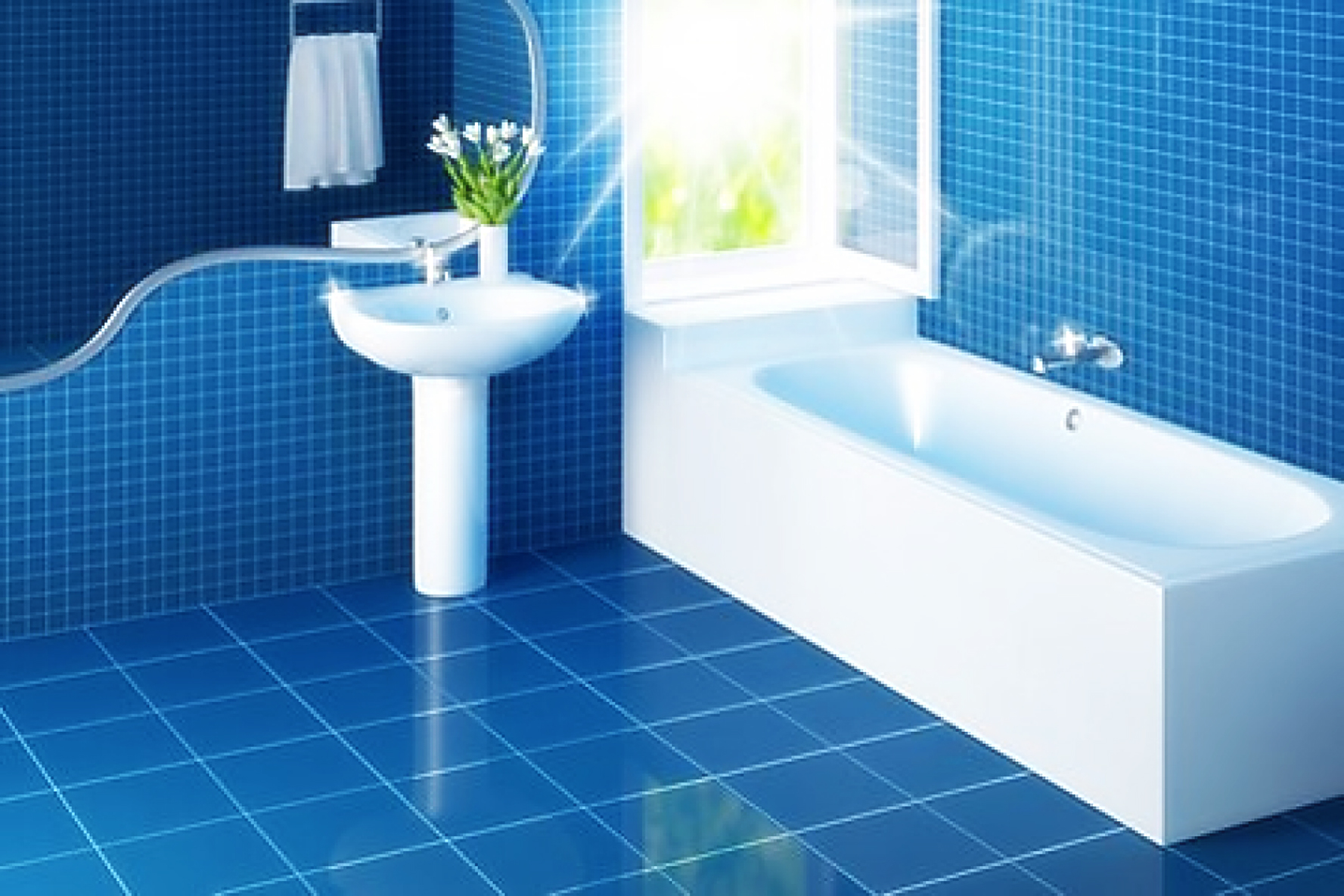
BATH ROOM TILES:Bath room walls and floors are covered with ceramic or vitrified tiles.Tile comes in a wide variety of colors, styles and textures, it’s a great way to brighten up an otherwise sterile space. Stone, glass and porcelain tile are great additions to your bathroom floor, back splash or shower wall, especially if you add an interesting chevron or he
 johnson   
Bath room tiles
Bath room tiles Bath room tiles
Tomdoylesupplies BATHROOMCONCEPTS
Bath room tiles Bath room tiles
houzz johnson
As you get ready to boost your bathroom’s aesthetic appeal, be sure to consider all your material and placement options

Bathroom Floor Tile: Which Is Best for You?

Bathroom floor tile is available in a surprising number of materials. Ceramic, porcelain, and vinyl tiles are what come to mind first, and for good reason. They are the most popular choices and perhaps the most practical. But there are many options available today, from wood and cork to stone and glass. Here is a quick guide to help you determine the best floor tile for your bath.

 VINYL TILES :Vinyl is the most popular bathroom flooring material, because of its low cost and high degree of practicality. It is well-suited for every bathroom in the house, from the master bath to the powder room. Hands down, it beats other popular choices for safety, comfort, and durability. Almost as important, vinyl tiles have come a long way in aesthetic appeal and ease of installation. The material is self-adhering and can be cut with a utility knife. Prices start at $.95 per square foot. Bath room tiles Bath room tiles
Vinyl floor tiles are among the most popular choices for the bath..
Bath room tiles Bath room tiles Bath room tiles Bath room tiles
CERAMIC AND PORCELAIN TILES :Nothing looks better than ceramic or porcelain, whether your tastes run to stone or wood lookalikes or brilliant colors and surprising patterns. Ceramics score high with regard to maintenance, too, but they are not nearly as comfortable to the bare foot as vinyl. Installing radiant floor heat helps to change that, but a hard surface is hard whether or not it’s warm. Ceramics are not as easy to install as vinyl, though it is a job the adventurous do-it-yourself can tackle. When protected with a high-grade glaze, ceramic will resist wear and scratches. Porcelain tiles are harder than clay-based tiles and may have through-body color, an advantage if chipping occurs. Prices start at around $1.09 per square foot.
dddddddddddddddddddddddddddddd
PLASTIC LAMINATE TILES :Plastic laminate tiles (more commonly available as planks) are also a good choice, especially if you’re remodeling. Similar to the laminate material that covered kitchen counter tops for a generation or two, the tiles don’t significantly raise the height of the existing floor, which makes it easier to plan transitions from room to room. While durable and easy to keep clean, laminate falls short when it comes to moisture. Standing water can infiltrate the fiberboard core, causing the material to expand and buckle. With laminates, it’s critical to caulk gaps along the walls, around the tub, and surrounding other fixtures to prevent water infiltration. Another con: Laminates don’t come in the same variety of styles you’ll find with ceramics and vinyl. From $.49 per square foot. Bath room tiles
STONE TILES : Stone tiles were once confined to the foyer. In the past decade, however, they have become popular in other rooms as well, bathroom included. Made from limestone, marble, granite and slate, stone tiles are available in colors that range from creams to blues, reds, greens and golds. Available textures are nearly as numerous and include cleft, tumbled, sandblasted, etched and flamed variations. Stone requires more maintenance than ceramic tile; regular cleaning and sealing are recommended. Plus, stone is typically more expensive than similar-looking ceramic or porcelain tiles. Prices vary.
WOOD FLOOR TILES :Wood is only for the fearless. Once water penetrates the finish, it will stain—probably for good. During installation, the wood parquet tiles must be carefully sealed around the room perimeter and at all other joints. Two coats of polyurethane must then be applied as protection. Use it in a powder room but avoid wood floor tile in full baths that get a lot of use. Prices vary.LINOLEUM FLOOR TILES :Linoleum is made of linseed oil, cork powder, wood flour, ground limestone and pigments. It is at home in contemporary or retro settings and well-suited to the bathroom. It’s touted as naturally inhibiting the growth of microorganisms and being able to repel dust and dirt, all while retaining its color. In my experience, that’s hype. Click-in-place plank designs make it easy to install, and there is no doubt that the stuff looks great. The look comes at a cost, however, as linoleum is relatively expensive. Average cost per square foot: $4.
Bath room tiles CORK TILES
Cork is warm to the touch and very easy on the feet, and the tiles come tinted in a variety of colors. Installation is not difficult, but if you purchase unfinished tiles, expect to protect them with two coats of polyurethane. Generally, cork tiles are installed with a troweled-on adhesive, but click-in-place floating floor products are also available. Average cost: $2 per square foot.
GLASS TILES :Glass floor tile is about as different as you can get. Installed properly, this type of tile holds up well and if textured, it can resist slips. Small glass tiles with lots of grout joints are also slip-resistant. The aesthetic appeal is twofold: Covering the floor in a thin layer of glass creates the illusion of depth, and if the glass is tinted, you get a lovely stained-glass effect. Prices vary.
Tips: When buying glass, ceramic, or porcelain tile, be sure it’s rated for use on floors. Choose ceramic tile with a grade of 1 or 2 for floors. Ceramic tile also comes with a coefficient of friction (COF). For safety, choose one rated .50 or greater. The Porcelain Enamel Institute (PEI) rating system counts the other way; opt for tiles that are at least PEI III.

 Photo Gallery of the Bathroom Tile Floor Design


3533 Views